
Free AI Writing Assistant: Review Your Drafts and Prepare for Consistent Brand Voice
A free AI writing assistant can flag unclear wording, repetition, weak transitions, and claims that seem stronger than the evidence, but human reviewers must verify sources and approve every change. T...
You have a finished draft, approved sources, and a deadline for sign-off. A free AI writing assistant can make that draft read smoothly in minutes, but smooth is not the same as accepted. A polished sentence can still carry an unsupported claim or a vague pronoun.
Two reviewers can also read the same passage's voice in opposite ways. When you own final acceptance, that gap lands on your desk. This article gives you a human-led method for closing it: review the draft against explicit acceptance criteria, make targeted revisions, adapt approved copy for an email, and diagnose where reviewers disagree about voice.
We build on work you have already done. Your section gates gave you an approved draft, and your source checks gave you verification and human-approval criteria. Here, we reuse those results for the final revision and acceptance step.
The article moves in the order you will work. First, it sets the scope: what an assistant can flag, what only you can verify, and how an acceptance table records each decision. Next, it shows how to ask for specific issues instead of a blanket rewrite, then provides a bounded review prompt and a before-and-after passage. It also covers practical access limits, including how to scope passes when a tool's context, the amount of text it can hold in view, runs short. Finally, it adapts one passage into a short email and compares two passages to find where voice readings split.
The assistant can flag repetition, unclear transitions, and overstated wording. It cannot certify accuracy, originality, or brand compliance. You open the sources, weigh each suggestion, and decide what to accept. People stay in control of every edit. Start by reviewing your draft against your acceptance criteria, apply only justified revisions, and record the voice questions that need shared guidance.
Free AI writing assistant review starts with acceptance criteria
Keep source verification and approval human-led
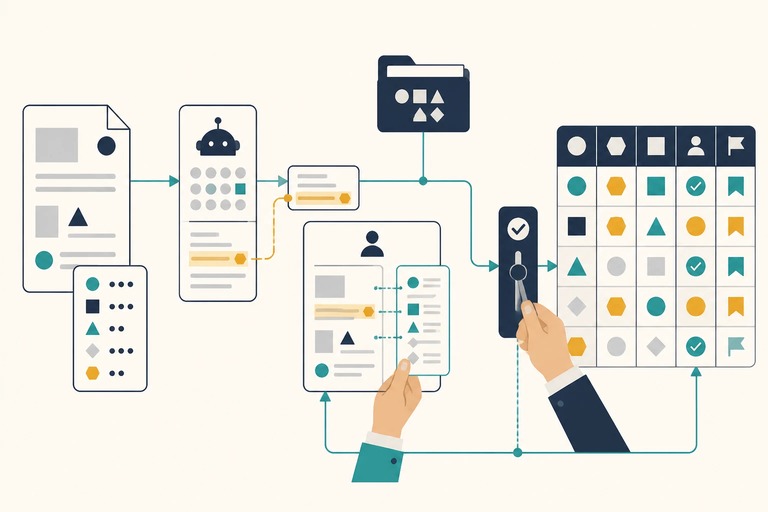
Start with the approved draft, its cited sources, and the acceptance criteria you set in earlier steps. Then give the free AI writing assistant one job: point to passages that need a second look. That is a flag, such as "this claim may need support." Verification is a different act. You open the cited source and confirm it says what the sentence says. Approval is a third act, in which a named reviewer accepts the final copy. Fluent output, a citation, or a confident answer is not proof of accuracy or originality. The assistant can tell you where to look, but only you can confirm what you find.
Separate revision assistance from tool discovery
Use the assistant for a specific editorial task. Before you begin, define what the review must preserve. These include the intended audience, the required points, and the approved evidence. Add any claims or terms that must not change. Questions about which tools to try, current pricing, or free-tier limits belong elsewhere. Access and features change. Keep an acceptance record so suggested changes and your decisions stay visible.
| Criterion | Observed issue | Suggested change | Reviewer decision | Final status |
|---|---|---|---|---|
| Clarity | Pronoun has an unclear referent | Name the actor | Accept / revise / reject | Open / approved |
| Evidence | Wording implies an unverified outcome | Remove or substantiate | Accept / revise / reject | Open / approved |
| Voice | No approved example supplied | Compare with references | Brand reviewer decides | Open / approved |
Connect content writing AI to clarity and structure review
Ask for specific issues rather than a blanket rewrite
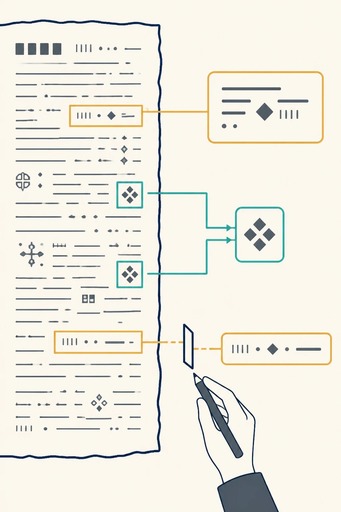
Once your acceptance criteria are set, content writing AI works best as an inspector. A request like "make this better" invites silent changes to meaning. Ask for flags on unclear sentences, repeated ideas, weak transitions, and information that appears out of order. For each issue, have the assistant quote the passage. Ask it to explain the concern in a sentence or two. Ask it to offer one optional minimal revision.
That format keeps you in control. You can see exactly what the assistant noticed. You decide whether the change preserves meaning and helps the intended reader. Reject any suggestion that fixes the sentence but loses a required point. Nothing enters the draft until you have judged it.
Check generation versus editorial suitability
Generating more copy is a different job from accepting a final draft. A tool can produce fluent paragraphs quickly, yet that output does not show it meets the brief. When you ask which is the best AI content generator, treat the answer as a fit check. Generation strength says nothing about whether a tool suits final review.
Judge each suggested change against the reader's task, the required content, and your acceptance criteria. Take a simple case. Replace "They will review your setup" with "Your customer success manager will review your setup." Do so only if the customer success manager is the intended actor. If "they" meant the whole team, the cleaner sentence is wrong, however smooth it reads.
Use free writer AI support for bounded revision passes
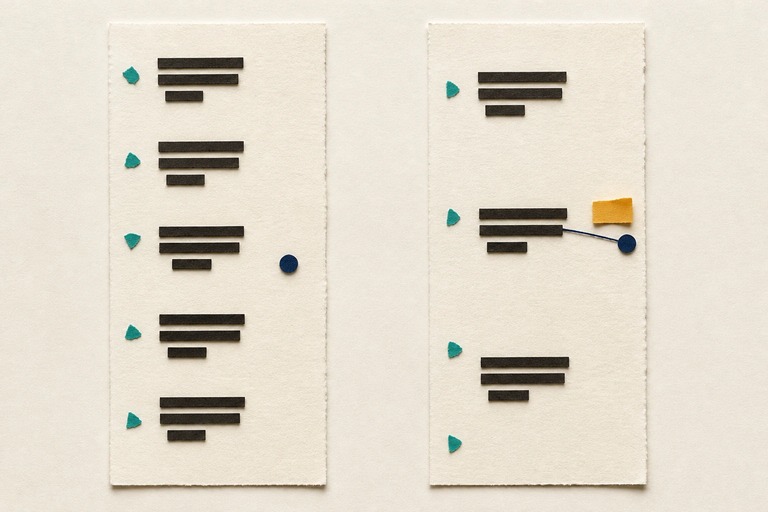
Review repetition, transitions, and unsupported certainty
Free writer AI support works best as a focused pass over one section or one issue. Keep it from silently rewriting your whole draft. Give it a narrow instruction like this:
Flag repetition, unclear transitions, and wording more certain than the supplied evidence supports. Quote each passage, explain the issue, and offer one optional revision. Do not add facts, sources, or claims.
Add one more line telling it to mark a question as unresolved. Use it when the brief or evidence is incomplete. Fluent suggestions can still overstate what your sources say. Then read every flagged passage yourself. You accept, revise, or reject each suggestion, and you decide whether it still serves the reader.
Preserve approved evidence while revising
Take an illustrative passage: "Your team can start quickly. Your customer success manager will help coordinate onboarding. They will review your setup and share next steps."
A possible revision reads: "Your customer success manager will review your setup with your team. The manager will also outline the next onboarding steps."
The rationale is simple. The revision consolidates repeated assistance. It names the actor in place of the unclear "They." It also removes "quickly" because no timing evidence was supplied.
Now check the meaning against the approved source. The cleaner version may not be accurate. "Review your setup" may still need clarification. It may not say what the manager actually reviews. It may not say whether the team takes part. Confirm both before you accept the change.
Work within writer AI free access limits

Evaluate best free AI content generator support without ranking tools
A revision pass is only as dependable as the access behind it. "Free" can mean capped usage, fewer features, or terms that change without notice. Check the current terms directly before you rely on any capability. Then test the service on your actual task. Check whether it can handle this section and whether it returns suggestions you can inspect. A tool that generates fresh text may still fall short of your review and approval needs. Treat every free service as subject to change, and follow your organization's rules on privacy and sensitive material.
Reduce context loss with scoped review passes
A tool's context is the amount of text it can hold in view. When a draft is long or context is limited, review one section at a time. You can also review one editorial concern at a time. In each pass, repeat the relevant criteria, source boundaries, and voice references. The assistant may not remember or understand every earlier instruction. Keep the approved draft and sources open so you can compare each suggestion yourself. If a pass leaves flags unresolved, record them in the acceptance table. Every edit still needs a human decision, whatever the access limits.
Adapt the draft into an email and identify voice disagreements
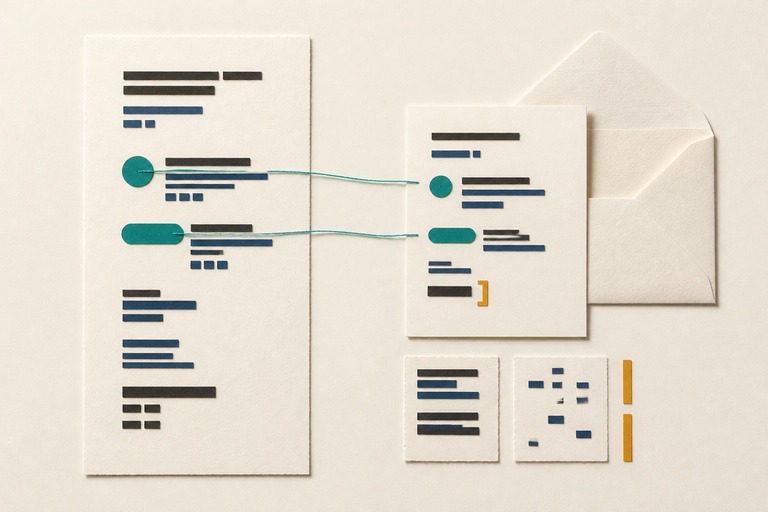
Treat best AI email writer free as a revision-fit question
For an editor, searching for the best AI email writer free is a fit question. The test is whether the assistant can adapt approved material. Start with the accepted passage, then name the email's audience, purpose, essential point, and call to action. An internal draft for the onboarding handoff might read as follows. "Hi team, your customer success manager will review the setup with you. The manager will also outline the next onboarding steps. Please bring any setup questions to the handoff." The final sentence is new content. Confirm it with the responsible team before use.
Separate best AI content generator output from final acceptance
Generation and acceptance are separate steps. Use AI to offer wording options, then compare the email with the approved passage. Confirm that the actor, action, and factual meaning are unchanged. Check that shortening has not dropped a qualification. Also check that it has not made the claim sound more certain. Passing review for the article does not approve the adaptation. Review its context, tone, and purpose on their own. Even the best AI content generator output still needs a human reviewer to decide.
Record missing approved examples and tone boundaries
Voice disagreements need evidence from approved examples and explicit tone rules. Take two passages your reviewers read differently and compare them against both. Ask whether the dispute concerns a documented choice, such as formality or preferred terminology. Also ask whether a guideline is missing or conflicting. The assistant can flag possible differences from the references you supply. Its judgment is not a brand-voice score. Record the passage, each reviewer's interpretation, the missing example or boundary, and the brand owner who resolves it.
Accept Drafts With a Free AI Writing Assistant

A free AI writing assistant helps when you keep the review in your hands. Apply your acceptance criteria and ask the assistant for bounded diagnosis. Verify claims against approved sources. Assess each change before you accept it. Neither fluent prose nor a tool's assurance is evidence that a draft is accurate, original, or on brand.
Adapting approved copy for email is a separate edit. Check its meaning, its context, and any content you added. Voice disagreements work the same way. Record the missing approved example or tone boundary, because the assistant cannot settle the dispute. Those notes become the raw material for reusable brand guidance, so your next review starts with documented answers.
Take your current draft and review it against the acceptance criteria. Apply only the revisions you can justify, then record each reviewer decision and final status. Compare the disputed passages and note which approved examples or tone boundaries would resolve them. If your team needs help putting this in place, request an implementation session. If you need voice references, start with your organization's live brand guidance.
Frequently Asked Questions
Can a free AI writing assistant verify factual accuracy?
No. A human reviewer confirms factual accuracy by opening the source. A free AI writing assistant can flag claims that sound too certain. It can also help you list what to check. It cannot establish that a source supports a claim by asserting it does. Open the approved source and compare it with your final wording. Verification and final acceptance stay with the designated human reviewer.
Can AI guarantee that a draft is original or plagiarism-free?
No. An AI assistant cannot guarantee originality, non-infringement, or plagiarism-free status. Similarity, attribution, and originality are related but separate questions, and each needs its own check. Treat a tool's assurance or a detector result as a prompt for human investigation. Your reviewer decides whether the draft needs a closer comparison against its original sources.
How should an article be adapted into a short email?
Start from the approved article. Keep the essential point and purpose of the email, then trim the rest. Check every claim against the approved version. Review any new instruction or call to action as new content. The email's responsible reviewer should assess audience, context, and tone before the email goes to readers.
How do you detect inconsistent brand voice?
Compare the draft with explicit voice criteria and relevant approved examples. Use the assistant to flag possible departures. Then decide whether each one is a real mismatch or a sign that guidance is missing. Record where reviewers disagree. Assign any unresolved tone boundary to the brand owner. The assistant cannot reliably choose between competing stakeholder preferences.
Who should provide final approval?
Your organization's designated editor gives final approval, along with any authorized subject-matter, brand, or compliance reviewer. Match each approver to the claims and standards within their remit. Then record the human decision, the reviewer, and the final status in your review table. AI output can inform that decision, but it is never sign-off.